 Vol. 1 Issue 1
Date released: July 15, 2015
INDEX
1.Headlines - The Establishment of the International Society of Medicinal Mushrooms
2.Message from the ISMM president
3.The 1st Executive Committee Board of ISMM (2013-2015)
4.Bylaws of ISMM - Official copy
5.Points and Reviews - The Role of Culinary-Medicinal Mushrooms on Human Welfare with a Pyramid Model for Human Health (Part I), by Shu Ting Chang and Solomon P. Wasser
6.Call for publications in the Newsletter of the ISMM
7.Contact information
Headlines - The Establishment of the International society of Medicinal mushrooms
On August 28, 2013, after closed-door intensive consultations by 16 famous medicinal mushroom experts who attended the 7th International Medicinal Mushroom Conference (IMMC7), from Asia, Europe, North America, and South America, an initiative for a new global medicinal mushroom organization was launched. During the closing ceremony of the IMMC7, Professor Shuting Chang announced the official establishment of the International Society for Medicinal Mushrooms to the participants in Beijing.
 ©Copyright by the International Society for Medicinal Mushrooms
Dear friends,
We live in an age in which human health issues are openly and publically discussed, including leading killer diseases such as cancers, diabetes mellitus, cardiovascular disease, stroke, and hypertension influenced by changes in lifestyles and dietary intake. We urgently need to increase our knowledge and technology required for a fair and effective global response. Human health disadvantages are not limited to poor nations or poor segments of societies. Even the highly educated, wealthier families in both less developed and well-developed countries live with health problems. Numerous studies have shown that regular consumption of mushroom species, as either a regular health food (nutraceuticals) or as dietary supplements (nutriceuticals) from extracted compounds, is effective in both preventing and treating diseases, mainly through immune-stimulating activity. The mushroom nutriceuticals are often polysaccharides (especially β-glucans), which come from fruit bodies, but can also be derived from mycelia, culture broths, spores, and sclerotium. Human health may be divided into three states: health, sub-health, and illness; mushrooms are relevant for all these states. Mushrooms can be mainly used as food for a healthy state, as medicine for ill states, and as dietary supplements for a sub-healthy state as well as for both healthy and ill states.
Nowadays, medicinal mushrooms (MM)s are used as: a) dietary food (world mushroom production was 30 mln tons in 2012); b) dietary supplement (DS) products (the market of MM DS products is quickly growing and comprises a value of more than 18 billion US dollars per year); c) a new class of drugs called "Mushroom Pharmaceuticals"; d) natural bio-control agents in plant protection with insecticidal, fungicidal, bactericidal, herbicidal, nematocidal, and antiphytoviral activities; and e) cosmeceuticals, different compounds of MMs including polysaccharides, such as soluble β-glucans, glucuronoxylomannan, sacchachitin, tyrosinase, and other enzymes are used by cosmetic companies for their film-forming capability, activation epidermal growth factor, antioxidative, anti-allergic, antibacterial and anti-inflammatory activities, stimulation of collagen activity, inhibition of autoimmune vitiligo, and acne.
MM science made great progress in the last 30 years. A really successful new branch of science (Medicinal Mushroom Science) has been recognized. New classes of MM drugs and different types of MM products were developed. A unique journal in the field, the International Journal of Medicinal Mushrooms (Begell House, USA) was organized. Every 2 years an International Medicinal Mushroom Conference has been organized; the last one (8th) took place in August 2015 in Colombia.
Approximately 400 clinical trial studies were published on different illnesses using MMs. More than 50,000 scientific papers were published and approximately 15,000 patents dedicated to studying different aspects of MMs were submitted. Since 2005, each year 250-350 patents were registered for Lingzhi or Reishi –Ganoderma lucidum.
Almost three years after conceiving the idea of forming a society devoted to research, development, improvement, and dissemination of medicinal mushrooms in the world, a new society was finally born in Beijing in August 2013. The International Society for Medicinal Mushrooms emphasized both the academic (research) and the applied (industry) aspects of medicinal mushrooms. In practically every science there are always these two aspects to consider-it is like two sides of a coin: inseparable and yet distinct. Knowledge of one is bound to enhance that of the other. The two are invariably complementary to one another and only by combining the existing knowledge of both in the same treatise, as will be done in this Society, can we hope to integrate the science of MMs to the fullest extent, and hopefully for the mutual benefit of the researchers, on the one hand, and the industrialists, on the other. This Society, therefore, is undertaking a gigantic task but unless the members and all other concerned people start something tangible towards this end, nothing would be accomplished.
stablishing and supporting a Society that promotes better health for mankind through the consumption of MMs as a food or as dietary supplements will benefit succeeding generations. We urge all scientists, industrialists, biotechnologists, and health professionals in all fields to unite in this global effort.
Shuting Chang,
Professor, Honorary President of ISMM
 Solomon P. Wasser,
Professor
Honorary Presidents of ISMM

 ©Copyright by the International Society for Medicinal Mushrooms
Dear friends,
Let us celebrate the establishment of the International Society for Medicinal Mushrooms together. The Society represents not only friendship, cooperation and exchange of medicinal mushroom professionals, but also the fabulous achievements of scientific and technological innovations in medicinal mushrooms. Meanwhile, it illuminates the harmony between medicinal mushrooms and human beings, as well as the invaluable benefits that they offer to our lives.
With the development of medicinal chemistry, pharmacology, cell biology, molecular biology and other related disciplines, global efforts have been taken to conduct in-depth researches on chemical structures, pharmacological effects, and clinical application of a series compounds derived from medicinal mushrooms, which have greatly advanced the process of exploitation of medicinal mushrooms. Medicinal properties derived from medicinal mushrooms such as polysaccharides, glycoproteins, polypeptides, and a variety of compounds with small molecules have become more and more popular. The emergence of the mushroom-derived chemical constituents shows bright prospects to the global pharmaceutical industry.
Cordyceps spp. is of common interest to global professionals and provides a good example. It is far from the “Cordyceps Development Rush” caused by a piece of news in which a famous athletic team in China called “Ma’s team” and one of its members, Wang Junxia, claimed that their success in winning a few world championships was attributed to taking Cordyceps. Instead, research interests are no longer focused on the single species- Ophiocordyceps sinensis (Cordyceps sinensis), but expanded to the entire “Cordyceps world”. Statistics from a Google website showed that the search results of the word “Cordyceps” had 547,000 entries on December 15, 2013, 201 times the number of literature reporting on Cordyceps (27,200). Although the number of the entries reached only 1.2% of that in the Chinese Web Search - Baidu (Ca. 45.1 million entries), its increased rate is already amazing.
To all nationalities in the world, the traditional medicines, a concurrent theory to modern fungal medicines, is a complete theory of its own, which plays an essential role on providing guidelines for the research and development of fungal medicines, which further demonstrates the uniqueness and advantages of medicinal mushrooms. Therefore, the integration of traditional and modern medicines can provide a significantly and substantially efficient way to research.
“Watching her reaching her snow-white hands into the holy river, pluck the gracefully dark Lingzhi from the roaring current, I was charmed by her elegance and beauty, my heart was stirred and lost.” (From The Ode of the Luo River Goddess, in appraisal of the beauty, by the celebrated poet Cao Zhi, lived 192-232 A.D, during the period of Three Kingdoms). This verse in one of the most appreciated poems from 2,000 years ago portrays the affection of people over fungal medicine. Today, I would like to join my global fellow scientists and colleagues of medicinal mushrooms with a cheerful heart, to celebrate the opening of the website. I would also encourage all of us to continuously make contributions to this platform, and let us make the future brilliant in a joint effort!
I would like to thank Prof. S. T. Chang, the world-renowned mushroom scientist, Prof. S. P. Wasser, chief editor of the International Journal of Medicinal Mushrooms, as well as other specialists and scientists for their efforts and support of the Society. I am sure that we will not disappoint them in making it successful. This website will be a compilation of creative work and strength of people from the industry worldwide, posting updates of the industry, communicating the latest achievements, and conducting analyses of the industry, and by doing so, we hope we will be making great contributions to the happiness and health of human beings.
“The fresh lotus just buds, showing its tender tip of its leaves, a dragonfly is soothing himself by clinging to it.” (From The Little Pond, written by Yang Wanli, a great poet in Song Dynasty). As another Chinese poem pictures, the official website of the International Society of Medicinal Mushrooms, overflowing with vigor, will become popular in a rapidly changing world.
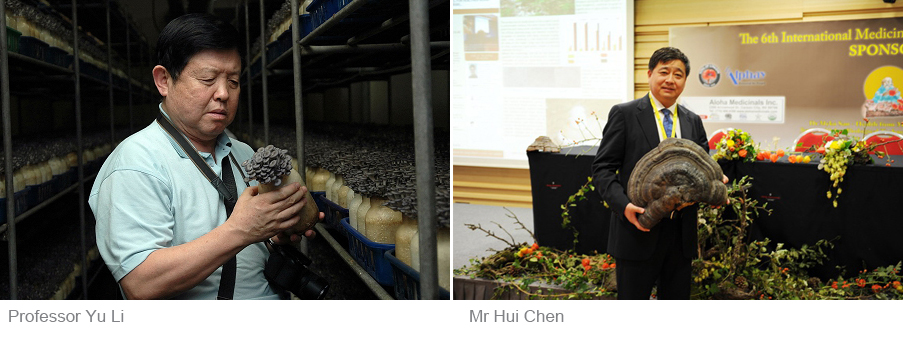
Yu Li, Professor
 President of ISMM
Member of Chinese Academy of Engineering
Dear friends,
The International Society for Medicinal Mushrooms steadily serves as a platform of high quality for our global academics and industry professionals. Through this global platform, we look forward to provide our continuing contributions to the human health and welfare in a joint effort by gathering scientists, technicians, and engineers in medicinal mushroom research and industrialization, as well as industry entrepreneurs and employees.
Let us work together for this promising prospect!
Hui Chen

Executive chairman of ISMM
The 1st Executive Committee Board of ISMM (2013-2015)
Office members
Honorary President: Prof. S.T. Chang (Australia/Hong Kong) and Prof. S. P. Wasser (Israel/Ukraine)
President: Prof. Yu Li (China)
Executive chairman: Mr. Hui Chen (China)
Vice President: Prof. L. J. L. D. van Griensven (the Netherlands), Dr. John Holliday (USA) and Prof. Keto E. Mshigeni (Tanzania)
Secretary General: Mr. Ziqiang Liu (China)
Treasure: Mr. Hui Chen (China)
Council members
Prof. Zhibin Lin (China)
Prof. Jinsong Zhang (China)
Prof. Naohito Ohno (Japan)
Prof. Ha Won Kim (Korea)
Prof. Vikineswary Sabaratnam (Malaysia)
Dr. Hui-Chen Lo (Chinese Taipei)
Dr. RD Rai (India)
Prof. Peter C.K. Cheung (Hong Kong, China)
Dr. Ivan Jakopovich (Croatia)
Prof. Ulrike Lindequist (Germany)
Dr. Nadezhda V. Psurtseva (Russia)
Prof. Giuseppe Venturella (Italy)
Prof. Franc Pohleven (Slovenia)
Prof. Marin Berovic (Slovenia)
Prof. Omon S. Isikhuemhen (USA/Nigeria)
Prof. Burton Yang (Canada)
Ms. Carmenza Jaramillo (Colombia)
Dr. Angela Amazonas (Brazil)
Bylaws of ISMM - Official copy
Strategic decisions on the bylaws were achieved upon the consensus agreements of the committees on the establishment day for the Society, August 29, 2013. The Bylaws come into to effect as of the first day of 2014 when they were released.
ARTICLE I NAME AND OFFICES
Section 1. The name of the organization shall be the International Society for Medicinal Mushrooms (“ISMM”).
Section 2. The organization shall be incorporated in Vancouver, Canada. It may have two offices: one in Vancouver, Canada and one in Beijing, China.
ARTICLE II PURPOSE, MISSION & OBJECTIVES
Section 1. ISMM shall be operated as a non-profit international organization. With common aspirations and purpose, it shall be a union of corporations, communities, or individuals in scientific research, education, manufacture, distribution and circulation, marketing, cultural industry, and other related fields involved in the medicinal mushroom industrial chain.
Section 2. ISMM’s mission is to promote the global impact of the medicinal mushroom industry for the benefit of human health welfare by upgrading the integration and development in all aspects of the international medicinal mushroom industry.
ARTICLE III ACTIVITIES
(1) To organize the International Medicinal Mushroom Conference (IMMC) every couple of years.
(2) To edit and publish ISMM newsletters and communications or other related publications.
(3) To establish and operate the ISMM’s official website providing a platform for member communication in all fields of medicinal mushrooms.
(4) To organize other activities or events for popularization and advertise the development and achievement in the medicinal mushroom industry.
(5) To initiate international academic communication as well as cooperative research, education, or training among different countries.
ARTICLE IV MEMBERS
Section 1. Class of Members
The Society shall consist of honorary members, corporate members, and regular members. The designation of such classes and the qualifications of the members of such classes shall be as follows:
(1) Honorary members
Honorary members shall be persons who have made remarkable contributions to the academic, industrial or business fields of medicinal mushrooms. The nomination and election of such honorary member candidates shall be the responsibility of the Council of Executive Committee members and the majority of general members, respectively. Honorary membership should not normally exceed two percent of the membership at any one time.
(2) Corporate members
Social organizations or corporations are those involved in different aspects of medicinal mushrooms while employing a certain number of scientific research professionals. Corporate membership shall be accepted to the corporation or organization with the approval of the Council of the Executive Committee.
(3) Regular members
Individual persons, who work in any field referring to medicinal mushrooms, are able to become members of ISMM by submitting a membership application. Once approved by the Council of the Executive Committee, he/she shall be admitted for regular membership.
Honorary members, corporate members, and regular members may have all the rights of membership of the Society. In the bylaws, the term “member” shall include honorary members, corporate members, and regular members unless otherwise stated.
Section 2. Conditions for Acceptance into the Society
The following list of requirements should be satisfied before joining the Society:
(1) Love and devotion to medicinal mushrooms.
(2) A willingness to join the Society without protest.
(3) Be in agreement with ISMM’s bylaws.
Section 3. Membership Registration Procedure
(1)Any person or corporation eligible for membership under these bylaws may fill out membership forms required by the Board.
(2) Acquiring of the Membership Certificate issued by the Council Executive Committee or Secretariat with Council Executive Committee’s authorization.
(3) The Secretariat shall notify any rejected applicant in writing.
Section 4. Member Rights
(1) Members shall have the rights of voting, electing, and being elected.
(2) Members shall be able to take part in any activities or events organized by ISMM.
(3) Members shall be able to take preferential discounts when acquiring the services from ISMM.
(4) Members shall be able to supervise the operation of the Society as well as offer their suggestions towards any necessary improvement.
(5) Membership in this Society may be terminated by voluntary resignation.
Section 5. Member Duties or Responsibilities
(1) Shall be in compliance with ISMM’s bylaws and important resolutions.
(2) Shall actively participate in ISMM’s events and activities.
(3) Shall promote the awareness and reputation of ISMM and recommend new members to join the Society.
(4) Shall assume the duties entrusted by the Society.
(5) Shall voluntarily provide the latest information referring to the development of the medicinal mushroom industry in order to update the website or the Society’s publications.
Section 6. Termination of Membership
(1) Membership shall be automatically terminated if the individual/corporation has been absent in any of ISMM’s activities or events within the amount of time of two years.
(2) Voluntary Termination of Membership: A member who wishes to terminate his/her membership shall give written notice to the Secretariat. The resignation shall be effective on the date of acknowledgement by the Secretariat. All rights, privileges, and interests of the member in or to the Society shall cease upon termination of membership.
(3) Removal of membership shall be conducted and proclaimed with the cause of having seriously broken the bylaws, by following the resolutions after the group vote of the Council Executive Committee.
(4) The Membership Certificate shall be returned to the Secretariat as soon as the membership is terminated.
Section 7. Transfer of Membership
Membership in this Society shall NOT be transferable or assignable in any way.
ARTICLE V ANNUAL DUES AND FINANCIAL INCOME
Section 1. To promote the influence of the Society during the start-up period, no annual dues for members would be payable within the first three years of the Society’s foundation.
Section 2. Starting from July 2017, payment for annual dues will be open. The Council of the Executive Committee shall determine the rate of payment. The Secretariat will notify members on schedules of payment.
Section 3. Financial support for the Society may be contributed by social and personal donations, commercial sponsorship, income from approved business activities (providing services or organizing events), as well as other legitimate sources of incomes, etc.
ARTICLE VI ORGANIZATIONS
Section 1. Committees
(1) Office members
The Office members of the Society shall include the Honorary President, President, Executive Chairman, Vice President, General Secretary, and Treasurer. Elections for membership of the Office shall be held every two years. After fulfilling a two-year term, new Office members will be elected by the members in the Council of the Executive Committee. The previous officers should be re-elected for no more than four consecutive two-year terms (for a total of eight years).
(2) Council members
Council members shall include outstanding global representatives in the field of medicinal mushrooms. The Office members of the Society shall nominate the Council members.
(3) Executive Committee
Members of the Executive Committee shall be made up of Office and Council members. These members will also make up the Editorial Board members of the ISMM’s Newsletters.
(4) Council of the Executive Committee
The Council of the Executive Committee shall hold the executive authority of the Society. A meeting of the Executive Committee shall be convened after each IMMC (every two years). During the Inter-session period of the IMMC, the Council of the Executive Committee shall be responsible for the functional operation of the Society.
Section 2. Committees’ responsibility
(1) Honorary President
The Honorary Presidents of the Society shall be awarded to Professor S.T. Chang and Professor S.P. Wasser in honor of their outstanding contributions to the development of international medicinal mushrooms.
(2) President
The President, one of the chief leaders in the Society, shall be in charge of initiating and chairing the International Medicinal Mushroom Conference as well as directing the group’s meeting of the Council of the Executive Committee every couple of years as well as supervising the implementation of the Council’s resolutions. The term of the position shall be for two years. According to election results, reappointment shall be possible, but should be less than four consecutive two-year terms.
(3) Executive Chairman
The Executive Chairman shall perform such duties as prescribed by the President and the Executive Committee, as well as help in the preparation of the International Medicinal Mushroom Conferences and meetings of the Council of the Executive Committee in the Society.
(4) Vice President
The Vice President shall assist the President and Executive Chairman in the prescribed duties.
(5) General Secretary
The General Secretary shall be responsible for the implementation of the Society’s resolutions. Meanwhile, this position shall manage daily affairs of the Council of the Executive Committee, as well as operations of the Society, which specifically refer to the promotion of memberships, publicity of the Society, organization of activities, official website operation, publication and distribution of Society newsletters, communication intermediary for the Executive members in the Society. The General Secretary shall also have other prescribed duties assigned by the Honorary President and President of the Society.
(6) Treasurer
The Treasurer shall be apprised of all financial conditions of the Society, and shall regularly report these conditions to the Council of the Executive Committee with proper accounting records of the Society. The position shall also take on the prescribed duties assigned to him/her by the Council of the Executive Committee and the President.
(7) Executive Committee
In the Society, the executive committee members shall also serve as members on the Editorial Board of the ISMM’s newsletters. The executive members shall be willing to contribute 2-3 academic articles on scientific research or industry development for publication in the newsletter annually, as well as recommend 2-3 articles on the latest research progress or significant events in medicinal mushroom industries every 3 months.
(8) Council of the Executive Committee
The Executive Committee shall meet every two years to discuss matters of the Society, regulate the charges of dues or fees, make decisions for the appointment or removal of executive members, as well as recommend or suggest the host city for the next International Medicinal Mushroom Conference, etc.
ARTICLE VII AMENDMENTS
For the continuous development of the Society, amendments of the bylaws shall be necessary with the approval of the Council of the Executive Committee. All changes in the bylaws will be reported in writing to the membership. The Society shall reserve the right to interpret all regulations and changes within the bylaws.
Points and Reviews
The Role of Culinary-Medicinal Mushrooms on Human Welfare with a Pyramid Model for Human Health
(Part I)
By Shu Ting Chang1* & Solomon P. Wasser2
1Centre for International Services to Mushroom Biotechnology, Department of Biology, The Chinese University of Hong Kong, Hong Kong, SAR, China;
2International Center for Biotechnology and Biodiversity of Fungi, Institute of Evolution, and Department of Evolutionary and Environmental Biology, Faculty of Natural Sciences, University of Haifa, Haifa, Israel; N.G. Kholodny Institute of Botany, National Academy of Sciences of Ukraine, Kiev, Ukraine
*Address all correspondence to: S. T. Chang, 3 Britton Place, Mckellar, A.C.T. 2617 Australia; scha6507@bigpond.net.au.
ABSTRACT: Mushrooms are part of fungal biota. They rise up from lignocellulosic wastes: yet they become so bountiful and nourishing. Mushrooms are environmentally friendly. They biosynthesize their own food from agricultural crop residues, which would otherwise cause health hazards. The extant records show the continued use of some mushrooms, e.g., Lentinus edodes, Ganoderma lucidum, and Cordyceps sinensis, which are now centuries old. This review presents a pyramid model for mushroom uses (industries), such as food, dietary supplements (tonic), and medicine. A regular intake of mushrooms can make us healthier, fitter, happier, and help us live longer. The sense of purpose and vision for mushroom industries is also briefly discussed. A variety of mushrooms have been used traditionally in many different cultures for the maintenance of health and in the prevention and treatment of various diseases. A total of 126 medicinal functions are thought to be produced by medicinal mushrooms (MM) and fungi, including antitumor, immunomodulating, antioxidant, radical scavenging, cardiovascular, anti-hypercholesterolemia, antiviral, antibacterial, anti-parasitic, antifungal, detoxification, hepatoprotective, and anti-diabetic effects. Special attention is paid to mushroom polysaccharides. Many, if not all, higher Basidiomycetes mushrooms contain biologically active polysaccharides in fruit bodies, cultured mycelium, and cultured broth. The data on mushroom polysaccharides are summarized for approximately 700 species of higher Hetero- and Homobasidiomycetes. In particular, the most important for modern medicine are polysaccharides with antitumor and immunostimulating properties. Several of the mushroom polysaccharide compounds have proceeded through phase I, II, and III clinical trials and are used extensively and successfully as drugs in Asia to treat various cancers and other diseases. Mushrooms are superior sources of different types of dietary supplements (DSs) (tonics). The advantages of using mushroom-based DSs as a matter of safety (as opposed to herbal preparations) are: (1) the overwhelming majority of mushrooms used for production of DSs are cultivated commercially (and not gathered in the wild); (2) Mushrooms are easily propagated vegetatively and thus keep to one clone. The mycelium can be stored for a long time, and the genetic and biochemical consistency can be checked after a considerable time. (3) The main advantage, in our opinion, is that many mushrooms are capable of growing in the form of mycelial biomass in submerged cultures. In this review, we discuss legal and regulatory issues introducing and controlling DSs from MMs in different countries, including the United States, the European community, Australia, New Zealand, Japan, P.R. China and guidelines of the World Health Organization. One of the targets of the present review is also to draw attention to many critically important unsolved problems in the future development of medicinal mushroom science in the 21st century.
KEY WORDS: medicinal mushrooms, mushroom industrial uses, dietary supplements (tonics), mushroom medicine, botanical drugs, edible, inedible, hallucinogenic, poisonous, mushroom products, polysaccharides, polysaccharide-protein complexes, beta-glucans, antitumor, immunomodulator activity, macrophages, Ganoderma lucidum, Lentinus edodes, Trametes versicolor, Cordyceps sinensis
ABBREVIATIONS: ADoHA: Australian Department of Health and Ageing; AHCC: active hexose correlated compound; AHPA: American Herbal Products Association; AIDS: acquired immune deficiency syndrome; ANZFA: Australia New Zealand Food Authority; BRMs: biological response modifiers; CAPE: caffeic acid phenethyl ester; COX: cyclooxigenase; CRN: Council for Responsible Nutrition; Dectin-1: dendritic-cell-associated C-type lectin-1; Dectin-2: DC-associated C-type lectin 2; DS: dietary supplement; DSHEA: Dietary Supplement Health and Education Act; EC: European Commission; ELISA: enzyme-linked immunosorbant assay; EU: European Union; FAO: Food and Agriculture Organization; FDA: Food and Drug Administration; FHC: Food with Health Claims; FNFC: Foods with Nutrient Function Claims; FOSDU: Food for Special Dietary Uses; FSANZ: Food Standards Australia New Zealand; FTC: Federal Trade Commission; FW: fresh weight; GMO: Genetically Modified Organism; GMP: Good Manufacturing Practices; GRAS: Generally Recognized as Safe; HIV: human immunodeficiency virus; HPLC: high-performance liquid chromatography; IADSA: International Alliance of Dietary/Food Supplement Associations; IJMM: the International Journal of Medicinal Mushrooms; IMMC: the International Medicinal Mushroom Conference; ISMS: The International Society of Mushroom Science; IWEMM: The International Workshops on Edible Mycorrhizal Mushrooms; IκBα: inhibitory proteins kappa B; iNOS: inducible nitric oxide synthase; IP: intellectual properties; MM: medicinal mushrooms; NF-κB: nuclear factor kappa B; NK cells: natural killer cells; NIH: National Institutes of Health; NLEA: Nutrition Labeling and Education Act; NNFA: Nutritional Foods Association; NZDSR: New Zealand Dietary Supplements Regulations; NZFSA: The New Zealand Food Safety Authority; ODS: Office of Dietary Supplements; OTC: over the counter; QHC: qualified health claims; PCR: polymerase chain reaction; RT-PCR: reverse transcription PCR; RDA: recommended daily allowance; SF: “Structure/Function”; SSA: significant scientific agreement; TCM: traditional Chinese medicine; TGA: Therapeutic Goods Administration; TLC: thin-layer chromatography; WHO: World Health Organization; WSMBMP: The World Society for Mushroom Biology and Mushroom Products; WTO: World Trade Organization.
I. INTRODUCTION
Today the well-being of humankind faces unprecedented challenges involving inadequate regional food supplies, deficiency in new insight into healthy eating, diminishing quality of health, and increasing environmental deterioration. The magnitude of these problems is set to increase as the world’s population continues to grow. The 20th century began with a world population of 1.6 billion, and ended with 6.0 billion inhabitants: at the end of October 2011, according to the UN Population Division, there were 7 billion. By 2050 the total world population could reach 10.5 billion, with most of the growth occurring in the less developed countries. With the population still growing by about 80 million each year, it is hard not to be alarmed. Inevitably, the amount of food and the level of medical care available to each individual will decrease, and global ecosystems will be subjected to intensified abuse. It has recently been reported that "global population growth is looming as a bigger threat to the world's food production and water supplies, health quality, than climate change." It has been noted that a nutritious balance of foods and an active lifestyle in a friendly environment can help achieve optimal health throughout life.
We live in an age of human health crises, especially when considering the leading killer diseases of our time. We have the HIV/AIDS pandemic; for an example, Swaziland is reportedly the world's worst HIV/AIDS epidemic: infection among pregnant women is 41%, Swazi life expectancy is down to 43 years, and 31% of Swazi children are orphans.1 The Black Death (bubonic plague) was a catastrophe of the 14th century (caused by the bacterium Pasteurella pestis) that killed 50 million people in Europe and Asia. Today, we have an upsurge of hypertension, diabetes, and cardiovascular disorders worldwide. More than two-thirds of U.S. adults and more than a third of children are overweight or obese.2 Incidents of cancer (e.g., breast cancer, ovarian cancer, prostate cancer, liver cancer, and various other tumors) are also escalating. A total of 1,596,670 new cancer cases and 571,950 deaths from cancer are projected to occur in the United States in 2011.3 Mad-cow disease (a viral disorder affecting the nervous system), foot-and-mouth disease (a highly infectious viral problem afflicting cattle, pigs, sheep, and goats, currently causing havoc in Europe), and other disorders (many of which are linked with what we eat) are sending out shock waves that are forcing the world's inhabitants to drastically change their choices of food. Human beings are the only species in the world that has figured out how to be in complete control of its food supply. The challenge now is to make sure the food doesn't take control of us.2
Medicinal mushrooms (MM) and mushroom products have definitely arrived. They are increasingly becoming a vital component of the human diet throughout the world, as this review will abundantly illustrate. The morphological features and physiological functions of mushrooms may be briefly described by a charming mushroom poem: "Without leaves, without buds, without flowers, yet, they form fruit; as a food, as a tonic, as a medicine, the entire creation is precious."4 The first clause describes the morphological characteristics of mushrooms, while the second states the physiological functions of mushrooms shown in Fig. 1.

FIGURE 1. A pyramid model of mushroom uses (industry).
The above pyramid model of mushroom industry conforms fully to an old Chinese saying, "Medicines and food have a common origin." This statement is particularly applicable to mushrooms, whose nutritional qualities, as well as dietary supplements (DSs) and medicinal attributes, have long been recognized. Diet therapy, the use of foods to sustain or improve health or treat illness, was used by ordinary people and in the imperial court of China as far back as 2000 years ago.5 Human health may be divided into three states: health, sub-health, and illness. Mushrooms can be mainly used as food for a healthy state, as medicine for ill states, and as DSs for a sub-healthy state as well as for both healthy and ill states (Fig. 1).
It may be useful to reconsider the definition of a mushroom from a global point of view. As we understand, the word mushroom may mean different things to different people in various countries. This seems similar to the fable concerning the three blind men and the elephant. Each man developed his own mind picture according to the nature of his particular contact with the elephant. The blind man who touched the sinuous and writhing trunk thought of a snake; he who took hold of the firm tough tail thought of a rope; and he who felt the rough, massive leg pictured the base of a tree.6 A broad use of the term mushroom embraces all large fungi, or all fungi with stalks and caps, or all large fleshy fungi. A more restricted use includes just those larger fungi that are edible and/or medicinal in value. The most extreme use of the term mushroom is in reference to just the edible species of genus Agaricus. For example, the mushroom industry in the UK and other western countries is nearly 100% dominated by Agaricus bisporus. This could lead to the mistaken idea that this is the only species considered as "mushrooms"-some industries even consider brown mushrooms as exotic!7 Actually, there are thousands of different species of mushrooms. It is understood that mushrooms are generally considered as a group of macrofungi, which have larger fruit bodies. According to the definition given by Chang and Miles,8 a mushroom is a "macrofungus with a distinctive fruiting body that can be either epigenous or hypogenous and large enough to be seen with the naked eye and be picked by hand." Therefore, mushrooms do not need to be Basidiomycetes, aerial, fleshy, or edible. Mushrooms can be Ascomycetes as well. In other words, mushrooms can be roughly divided into six categories: edible, inedible, hallucinogenic, medicinal, poisonous, and a miscellaneous category whose properties remain less well defined. This definition is imperfect, because it is inevitably loose and subjective; however, so far, no alternative definitions are proposed.9 Therefore, it can be used as a working term for global mushrooms in both mushroom biology and the mushroom industry. It is believed that this simple definition is better than the terms edible fungi and toadstool used in some countries to mean edible and poisonous mushrooms, respectively. This is because mushrooms are macrofungi (thereby excluding microfungi); however, the term edible fungi can include both macro-and microfungi. The term toadstool is meaningless and should be avoided to prevent confusion.
Mushrooms have been found in fossilized wood approximately 300 million years old.l0 Almost certainly, prehistoric man used mushrooms collected in the wild as food. There is ample evidence that the great early civilizations of the Greeks, Egyptians, Romans, Chinese, and Mexicans prized mushrooms as a delicacy, for their purported therapeutic values, and, in some cases, as treasures in religious rites. Throughout recorded history there are repeated references to the use of mushrooms as food and for medicinal purposes, and it is not surprising that the intentional cultivation of mushrooms had a very early beginning. China can boast that it was the first to successfully cultivate many popular mushrooms species, for example, Auricularia auricula-judae (estimated date, 600 AD), Flammulina velutipes (800-900 AD), Lentinus edodes (1000-1100 AD), Volvariella volvacea (1700 AD), and Tremella fuciformis (1800 AD). Prior to the 1900s, Agaricus bisporus (1650 AD in France) was the only major commercially cultivated mushroom species that was not first cultivated in China.4
Knowledge of numerous new mushroom species has accumulated through time. Out of the 1.5 million estimated fungi species, Hawksworth9,11-13 estimated that 140,000 species produce fruiting bodies of sufficient size and suitable structure to be considered as macrofungi. These can be called mushrooms according to the above definition. It should be noted that without a globally recognized term for mushrooms, it is impossible to make an estimation of the number of so-called mushrooms on earth. The number of recognized mushroom species has been reported to be l4,000,9,11-13 which account for 10% of the estimated 140,000 mushroom species. Therefore, there are currently still many unknown species to be discovered (about 126,000). Of the recognized mushroom species, about 7,000 of the species (50%) are considered to possess varying degrees of edibility, and more than 3,000 species from 231 genera are regarded as prime edible mushrooms. But only about 200 of the prime edible mushrooms are experimentally grown, 100 economically cultivated, around 60 commercially cultivated, and more than 10 produced on an industrial scale in many countries. Furthermore, of the 14,000 known mushroom species, approx 700 are considered to be safe species with medicinal properties.14 The number of poisonous mushrooms approximates 500 species. China is estimated to have about 2,000 mushroom species, with 981 known to be edible species. By 2002, 92 species had been domesticated, while 50 of these had been commercially cultivated.15
The outlook for many of these known mushroom species is bright. The current production level stands at 24 million tonnes of edible mushrooms annually. The world market for the three main categories in the mushroom industry (edible mushrooms, mushroom products, and wild mushrooms) is valued at over US$60 billion. Furthermore, the production of mushrooms worldwide has been steadily increasing, mainly due to contributions from developing countries, such as China, India, Poland, Hungary, and Vietnam. In addition, technological developments in the mushroom industry have seen increasing production capacities, innovations in cultivation technologies, improvements to final mushroom goods, and utilization of the mushroom's natural qualities for environmental benefits. However, there is always the need to maintain current trends and to continue to seek out new opportunities. Increasing consumption capabilities arising from an increasing world population should be recognized. This opportunity for the mushroom industry should be grasped by encouraging the increase of mushroom consumption through active promotion of mushroom properties and new advantages of modern marketing techniques. Certainly, quality control is of paramount importance in securing and attracting further consumer confidence in the mushroom industry. We hope and believe that this review will serve as a catalyst for promoting the increased use of mushrooms in human diets; for promoting research and development in world mushroom biota; and for looking at mushrooms as one of the possible sources of solutions for some of the health problems of our time.
(To be continued)
Call for Publications in the Newsletter of the ISMM
Aiming to build the relationship between the members and the Society, publication of the newsletters was proposed before the launch of the Society. The newsletters represent one of the key official publications from the Society. Contents of the newsletters will include notifications of the decisions made by the committee board, reviews or comments contributed by ISMM committee members, conference or activities to be organized, and the status updated in research, industrialization, and marketing for medicinal mushrooms. The newsletters will be quarterly released by the first Monday in January, April, July, and October with possible supplementary issues as well. The newsletter welcomes organizations or professionals to submit news, comments, or scientific papers relating to medicinal mushroom research, marketing, or industry.
Contact information
For any inquiry in membership enrollment, subscription to ISMM newsletters, upcoming activities and events organized by ISMM, or submitting news reports, statements, or manuscripts to the Society, please contact the secretariat’s office in Beijing, China.
ISMM Secretariat office, Beijing
Room D-1216, Jun Feng Hua Ting,
No. 69 West Beichen Road,
Chaoyang District, Beijing, 100029, China.
Tel: +86-10-58772596, 87109859
Fax: +86-10-58772190
E-mail: ISMM.ORG@gmail.com
Website: http://www.ismm2013.com/
